Connecting the Dots Between Neck Issues and Headaches

Headaches are a common complaint, but many people do not realize that neck problems can be a significant cause. Neck-related headaches often stem from tension, poor posture, or injury affecting the muscles, joints, or nerves in the neck. Understanding the connection between neck issues and headaches can help you identify the source of your pain and find effective relief.

How Neck Problems Cause Headaches
The neck supports the head and allows for its movement. It contains muscles, vertebrae, nerves, and blood vessels that work together to maintain function and stability. When any part of this system is strained or injured, it can trigger headaches.
Neck-related headaches often arise from:
Muscle tension or spasms in the neck and upper shoulders
Joint dysfunction in the cervical spine (neck vertebrae)
Nerve irritation or compression caused by misalignment or inflammation
Poor posture that stresses neck structures over time
These issues can cause pain signals to travel from the neck to the head, resulting in headaches that may feel like a dull ache, sharp pain, or pressure.
Common Symptoms of Neck-Related Headaches
Identifying whether your headaches stem from neck problems involves recognizing specific symptoms. These include:
Pain starting at the base of the skull and radiating toward the forehead, temples, or behind the eyes
Stiffness or limited range of motion in the neck
Tenderness or tightness in neck muscles, especially after prolonged sitting or activity
Headaches triggered or worsened by neck movement or certain positions
Associated symptoms such as shoulder pain, arm numbness, or tingling if nerves are involved
If you notice these signs, your headaches may be linked to neck dysfunction rather than other causes like migraines or sinus issues.
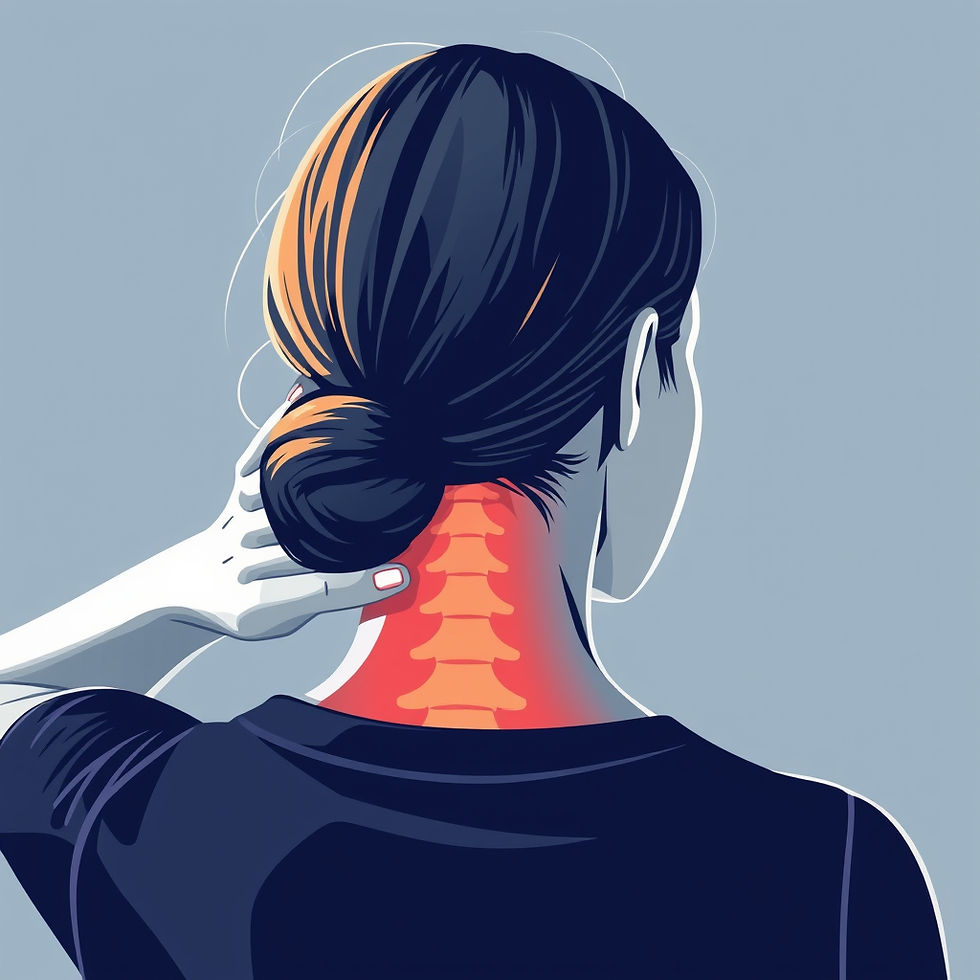
How to Identify the Source of Your Pain
Finding the root cause of neck-related headaches requires careful observation and self-assessment. Here are some practical steps:
Assess Your Posture
Poor posture is a leading cause of neck strain. Check your posture during daily activities:
When sitting, your ears should align with your shoulders, and your shoulders should be relaxed, not hunched forward.
Avoid leaning your head forward for long periods, such as when using a smartphone or computer.
Use ergonomic chairs and desk setups to support proper alignment.
Review Physical Activities
Certain activities can worsen neck tension:
Repetitive motions or holding your head in one position for too long (e.g., driving, reading)
Sleeping with inadequate neck support or in awkward positions
Carrying heavy bags on one shoulder
Perform Simple Movement Tests
Gently move your neck in different directions and note any pain or stiffness:
Turning your head side to side
Tilting your head toward each shoulder
Looking up and down
Pain or limited motion during these movements can indicate neck involvement.

Proper neck posture while working at a desk helps reduce tension and headache risk.
Treatments to Relieve Neck-Related Headaches
Once you suspect your headaches are linked to neck issues, several treatments can help reduce pain and improve function.
Self-Care and Lifestyle Changes
Apply heat or cold packs to the neck to ease muscle tension and inflammation.
Practice good posture throughout the day, especially during screen time.
Take regular breaks to stretch and move if you sit for long periods.
Use supportive pillows that maintain natural neck curves during sleep.
Exercises and Stretches
Gentle exercises can strengthen neck muscles and improve flexibility:
Chin tucks: Pull your chin straight back to align your head over your shoulders. Hold for a few seconds and repeat 10 times.
Neck stretches: Slowly tilt your head toward each shoulder and hold for 15–30 seconds.
Shoulder rolls: Roll your shoulders backward and forward to release tension.
Consistency is key. Doing these exercises daily can reduce stiffness and prevent headaches.
How Chiropractic Care Can Help
Chiropractic care focuses on diagnosing and treating musculoskeletal problems, especially those involving the spine and neck. Chiropractors use hands-on techniques to restore proper alignment and function.
Benefits of Chiropractic Treatment for Neck-Related Headaches
Joint mobilization and alignment can relieve joint dysfunction and reduce nerve irritation.
Soft tissue therapy helps relax tight muscles and improve circulation.
Posture advice and ergonomic guidance support long-term pain prevention.
Personalized exercise programs enhance strength and flexibility.
Research shows that chiropractic care can be effective for tension-type headaches and cervicogenic headaches (headaches caused by neck problems). Many patients report reduced headache frequency and intensity after treatment.
When to See a Doctor
While neck-related headaches are common and often manageable, seek medical advice if you experience:
Sudden, severe headaches or changes in headache patterns
Neurological symptoms like weakness, numbness, or vision changes
Headaches following trauma or injury
Persistent pain that does not improve with self-care
A healthcare professional can rule out other causes and recommend appropriate treatment.
Understanding the link between neck issues and headaches empowers you to take control of your pain. By recognizing symptoms, assessing posture and activities, and using targeted treatments, you can reduce discomfort and improve your quality of life. Chiropractic care offers a valuable option for many people, providing hands-on relief and guidance for lasting neck health.



Comments